Helping people flourish in an age of intelligent machines.
Coaching, leadership development, and learning experiences that help people reclaim agency, discover meaning, and create lives they consciously choose.
About
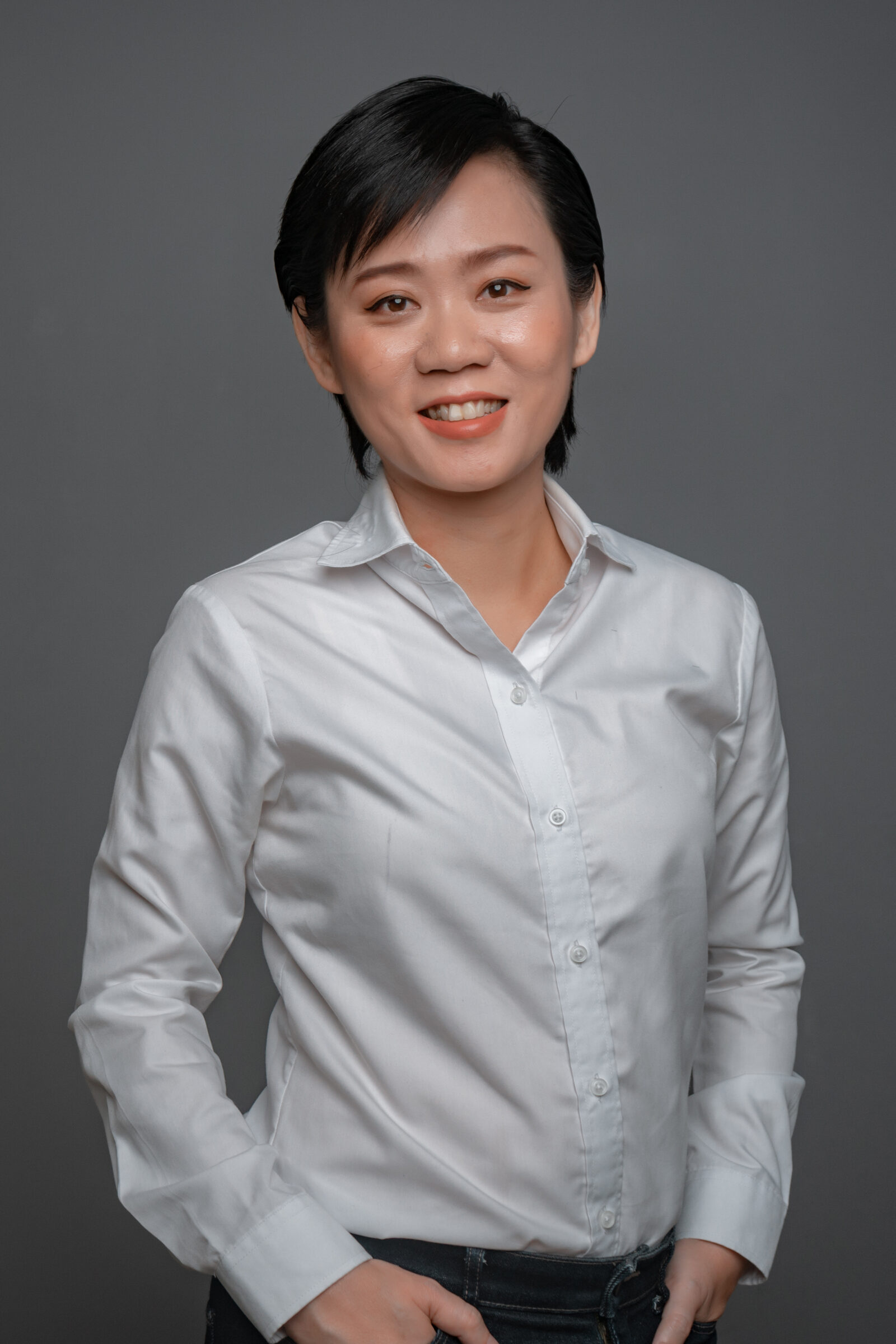
We are becoming more intelligent. But are we becoming more human? We are living through one of the greatest shifts in human history. Artificial intelligence is changing the way we think, feel and act, and every day we are outsourcing a little more of our thinking, our remembering, our deciding and even our creativity.
I think about this a lot, and it has made me realise that the challenge of our time is no longer intelligence. Intelligence is becoming abundant. The challenge is agency.
Since 2011, I have coached more than seven hundred clients, trained coaches, designed learning journeys and worked with organisations across Asia, and spent thousands of hours trying to understand one question: what allows human beings to flourish? That question has slowly become the centre of everything I do.
How Do You Relate to AI?
Every day, we hand a little more of our thinking over to something else. A decision we used to sit with, we now put to a chatbot first. A feeling we used to sift through alone, we now describe to a screen before we have even named it to ourselves. If so much of us gets outsourced to AI, what remains of us? Who are we becoming?
I do not think enough people are asking this question honestly. Everyone is talking about skills: how to prompt better, automate more, keep up. Almost nobody is asking what is actually happening to us underneath all of it.
So I made a reflection tool to help you understand your own relationship with AI. It is a mirror, not a verdict. Five minutes, fifteen honest answers, and you will get a clearer read on your own pattern right now.
My Philosophy
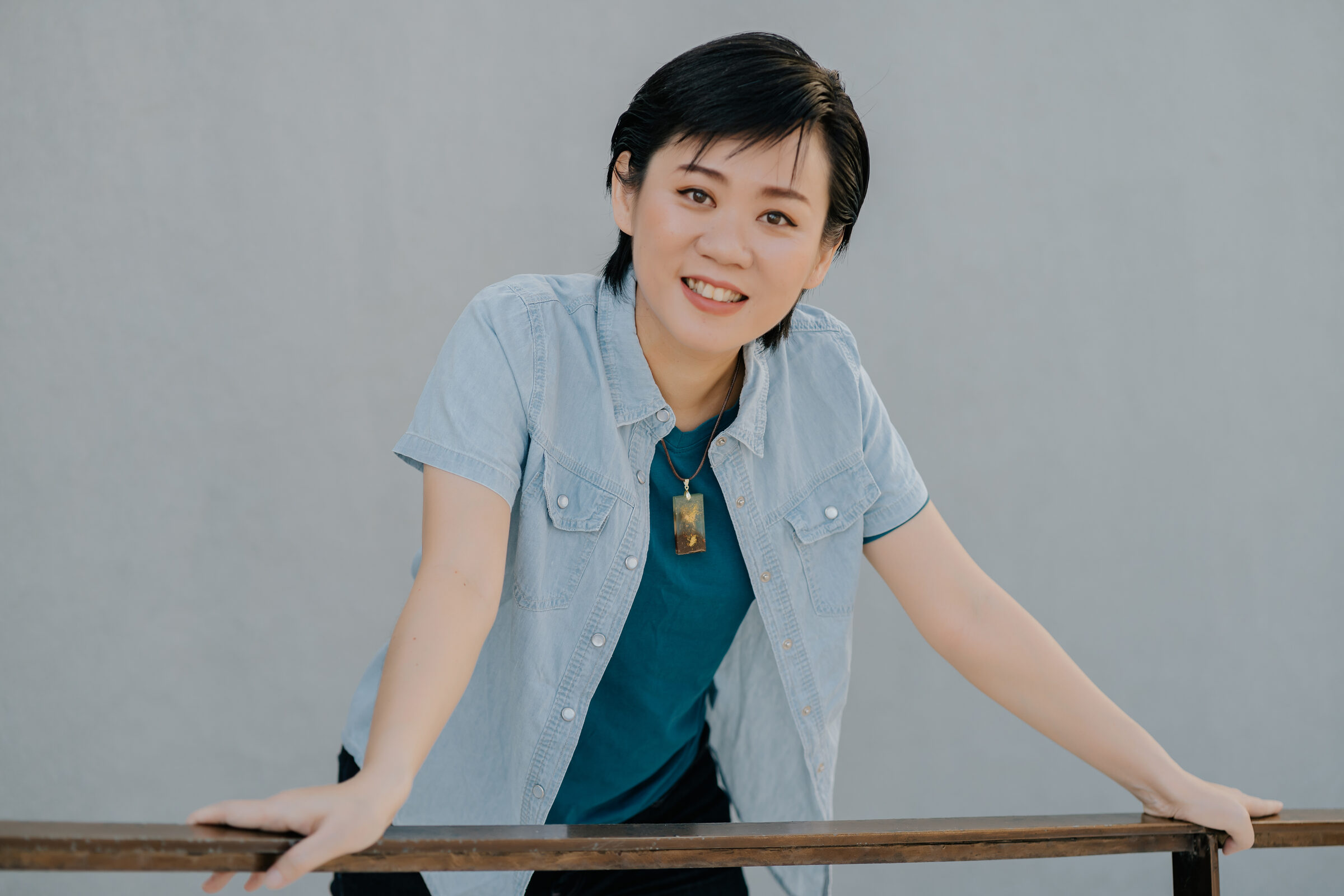
A human being is a meaning making, choice making, responsibility taking creature with the capacity to consciously shape their own life. Everything I do is governed by this belief.
I believe human beings are products of their choices and their circumstances, and I also believe we are capable of transcending both. We are shaped by our past, our families, our organisations, our cultures and the systems we live in. Those things matter, but they do not have the final say.
Human beings have agency. We are capable of making meaning from our experiences, capable of taking responsibility for our lives, and capable of consciously choosing who we become. Even when most people think something is impossible, I believe in human possibility. That belief sits at the heart of my coaching.
The future needs more deeply human people. That is why I coach: not simply to help people become more successful, but to help them become more fully themselves, to reclaim their agency, to consciously choose the lives they want to live.
My Working Philosophy
One of the things I naturally do is see multidimensional patterns. I do not only see the individual. I see relationships, teams, organisations, families, systems. Sometimes the challenge someone brings into coaching is the real issue. Sometimes it is simply the visible symptom of something much larger operating beneath the surface.
Over the years, clients have often told me that I help them see things they could not see before. I think that comes from looking at people from multiple perspectives at the same time: developmental psychology, systems thinking, learning, leadership, investing, organisational dynamics, and AI. None of these disciplines exist in isolation. Neither do people.
The longer I work with people, the less interested I become in helping people solve isolated problems. I am much more interested in helping people become the kind of human beings who can meet whatever life asks of them: someone who can think clearly, choose consciously, act responsibly, lead courageously, create meaning, and remain deeply human. That, to me, is what coaching is really about. Everything else is simply an expression of it.
That is also why, alongside coaching individuals and designing how they learn, I have started bringing this same thinking to the level of the organisation itself: how roles, decisions and ways of working shape the people inside them.
On Coaching
Good coaching awakens something that was already there: a deeper curiosity about life, about people, about ourselves. When that happens, people do not just leave with answers. They leave seeing the world differently.
Coaching is not simply a conversation. It is a relationship. It is a way of seeing another human being. It is creating the conditions where someone is able to think thoughts they have never thought before, ask questions they have never asked themselves before, and become someone they could not have become alone.
Exceptional coaching happens when a client does something that wows themselves and the people around them, something they truly thought was impossible, something that changes not only what they do, but how they see themselves. That is transformational coaching, and that is what I strive to create every time. I want people to be moved and inspired by the change that coaching can bring to themselves, the people around them, and the world. Because that is where coaching becomes much bigger than coaching. It becomes a way of living.
On Training
Training coaches has become one of the greatest privileges of my work. People often think my job is to help them pass an assessment, or earn an ICF credential. Those things matter, but they are not why I teach. My job is to help people fall in love with coaching, because if they truly love it, they will continue being a coach long after the course has ended, not because they have to, but because they cannot help themselves.
I train coaches with Executive Coach International, a company that has supported me in laying solid foundations in my coaching, and is a key source in my personal and professional developmental work.
They will naturally look for opportunities to coach: their families, their colleagues, their teams, their clients, their communities. Coaching becomes part of who they are. That is what I hope to cultivate: not just competent coaches, but people who are endlessly curious and believe in human possibility.
That same question, what actually helps someone change, is the one I keep returning to outside the coaching room as well. It is what shapes every learning journey I design.
On Designing Learning & Organisational Design
Since 2013, I have designed more than two hundred learning journeys. Some last two hours. Some run over several months. Some are for senior leadership teams, some for aspiring coaches, and some are designed to help people make sense of where they are in life.
They all begin with the same question: what actually needs to change? Not what the client asked for. Not what everyone expects. What truly needs to shift? Those are often very different things, and increasingly I have found that answer sits beyond the workshop room. Sometimes what needs to change is what people know. Sometimes it is how a team makes decisions, or who owns what, or the way a structure keeps rewarding behaviour nobody actually wants.
People do not change in isolation. They change inside systems. So I design learning backwards from the change I hope people experience, and forwards from the reality, and the organisation, they will return to. A programme should never end when the workshop ends. It should continue shaping how people think, choose and act long after they leave the room. Learning is not about transferring information. It is about developing human beings. If people leave knowing more but living no differently, I do not think learning has succeeded.
Coaching, training, and designing learning all come back to the same question. What allows human beings to flourish?
The Change I Want to See
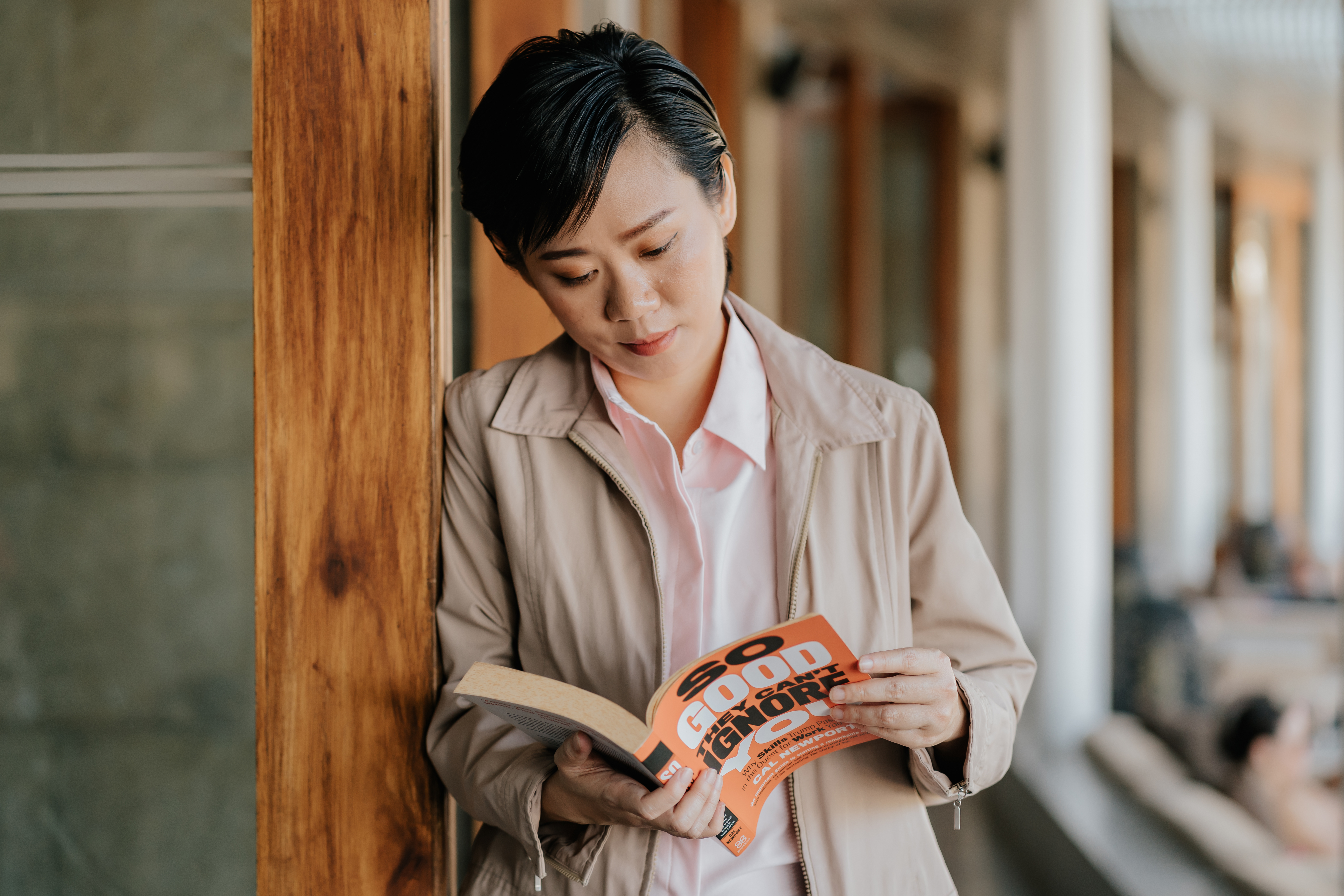
We are living in a world where wars are happening, climate change feels increasingly inevitable, and artificial intelligence is advancing faster than most people can make sense of. Many people carry an anxiety about the future that they rarely name out loud. Some feel overwhelmed. Some feel powerless. Some have simply stopped believing they can make much of a difference. I understand why. But I refuse to believe that this is the whole story.
I still believe in human possibility. I still believe people have agency. I still believe people are capable of changing themselves, influencing others and shaping the systems they are part of. That is why I continue coaching. Fundamentally, coaching is about helping people fulfil their potential. There are infinite possibilities in what people can achieve once they truly set their minds to something, not because life becomes easier, but because people become more conscious of who they are, what matters to them and the choices available to them.
The change I want to see is not simply individual success. I want to see systemic change: a world where more people have agency, a world where people consciously choose the lives they want to live rather than simply inheriting the lives they drift into. I believe that meaningful change has always begun with individual human beings choosing differently.
Who I Work With
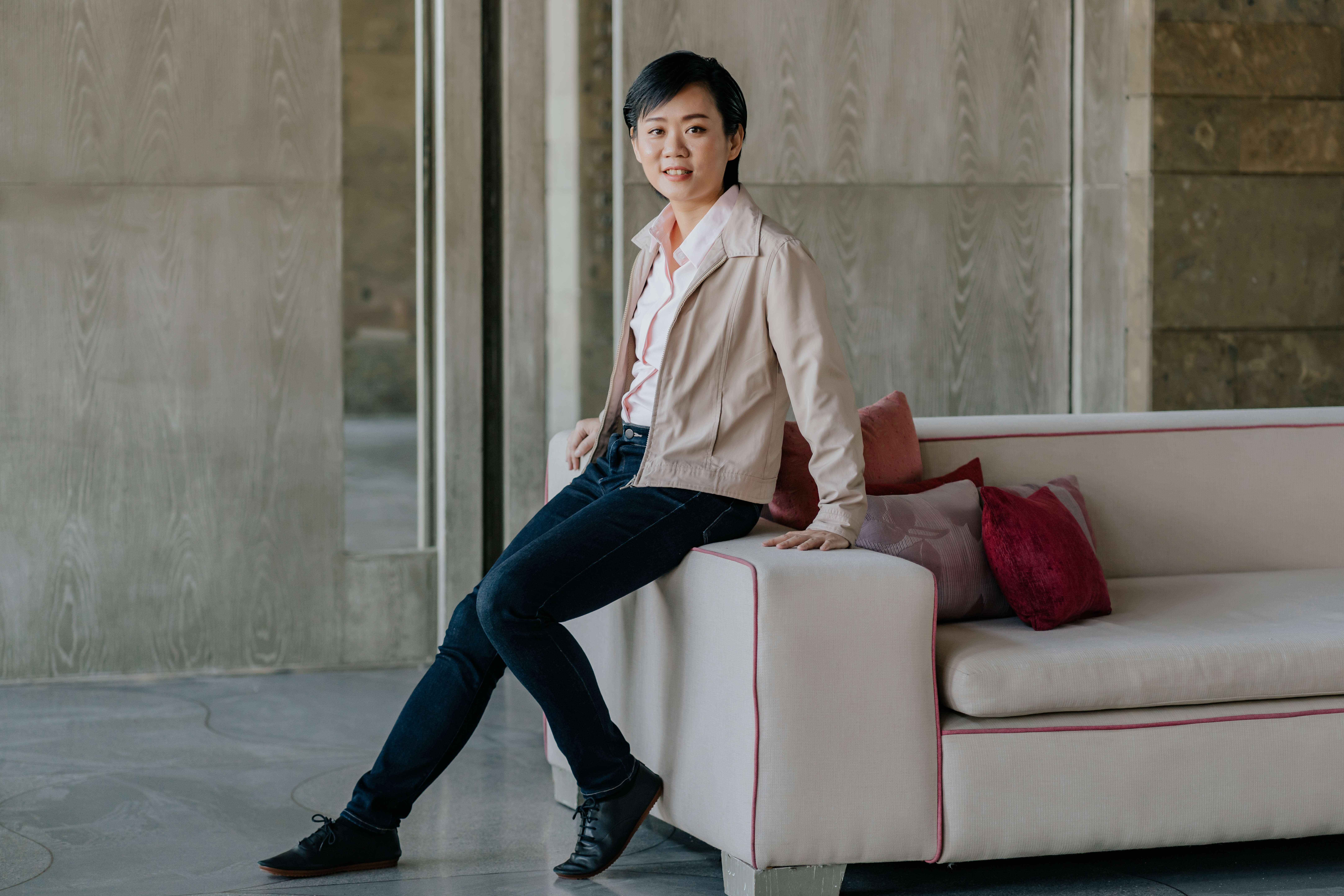
I work with people who want to grow, not because someone else expects them to, but because they know they are capable of more. I work with leaders, people responsible for teams, organisations and cultures. I work with professionals who find themselves standing at important crossroads. I work with coaches who want to deepen both their craft and their understanding of human beings. I work with organisations that believe developing people is one of the most important investments they can make.
What all of these people have in common is not their profession. It is their willingness to look honestly at themselves, to question assumptions, to accept responsibility, to grow. I do not promise easy answers. I do promise that we will work on what actually matters.
Let's Begin With a Conversation
Whether you are considering coaching, exploring coach training or thinking about developing leaders within your organisation, every engagement begins in exactly the same way: a conversation. Not to convince you that coaching is the answer, but to understand what you are trying to create.
Sometimes people arrive thinking they need a better strategy. Sometimes they need a different conversation. Sometimes they need to ask themselves a question they have been avoiding for years. That is usually where meaningful change begins.
Three ways to work together
Leadership, career transitions, relationships, decision making, performance and personal development often appear to be different conversations. In my experience, they are usually expressions of deeper patterns. Our work together is not about fixing symptoms. It is about understanding what is actually happening and developing the awareness, agency and courage to move forward.
I train coaches to become students of human beings. The competencies matter, but presence matters more. Questions matter, but who the coach has become matters even more. My goal is not simply to help people become credentialed coaches. It is to help them fall in love with coaching and the possibilities it creates in themselves, in others and in the world.
Every learning journey begins with one question: what capacities must people develop if meaningful change is going to continue long after the programme ends? Increasingly, that question extends past the individual, into how a team or organisation is structured to support the change it says it wants. I do not design content. I design the conditions for people to learn, work and change.
Let's have a conversation
Singapore. Working with clients across Singapore, Asia and internationally.
Your message comes directly to me. I read every message personally.
A Closing Thought
If the future is going to ask more of us as human beings, then I believe we must also ask more of ourselves. Not simply to become more intelligent, but to become wiser, more conscious, more courageous, more responsible, more fully human. If my work helps even a small number of people move in that direction, then I believe it has been worthwhile.